
What Is Lead Flashing and Why Does Your Roof Need It?
Roofs are built to be durable and dependable. After all, they have to withstand all weathers and all seasons, all day long.
Lead flashing is one of the most important parts of a roof. But, it’s also probably one of the parts that you’re least likely to have thought about (and, that you’re most likely to have overlooked!).
Although it’s not immediately noticeable when looking at a roof from ground-level, lead flashing plays a critical role in your roof’s water resistance.
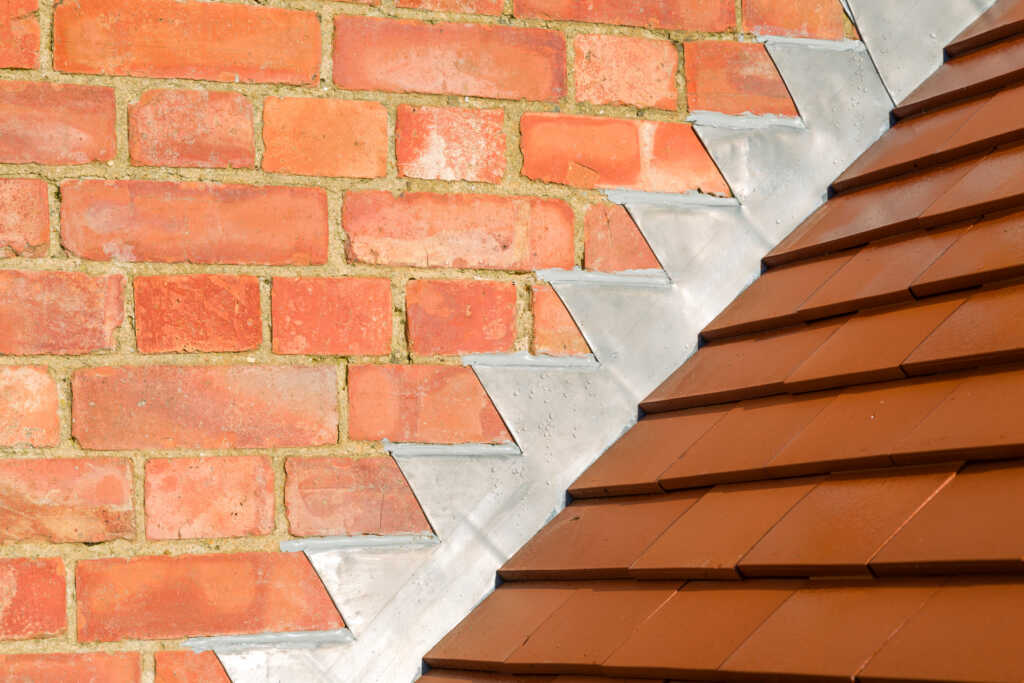
Roof lead flashing is positioned around chimneys, dormer windows, roof-to-wall joints and valleys, as well as roof windows (e.g. Velux windows). It creates a watertight connection between different materials, thereby preventing water from seeping into the areas where different parts of the roof meet.
In this guide, our skilled roofing experts have outlined what makes lead flashing so effective, and why it’s remained such a vital roofing technique for so long.
Why is lead used for roof flashing?
Lead has been used in roofing for centuries. This is because lead naturally contains a number of invaluable properties, which make it especially well-suited to roof work.
One of the biggest benefits of using lead is its malleability. Lead can be shaped and formed around awkward shapes and details, allowing a roofer to create a tight, close-fitting seal around key roof areas.
Lead is also an extremely durable material. In fact, when installed and maintained by a professional, lead flashing can last for more than 50 years. This is a significantly higher lifespan than most other lighter or cheaper alternatives.
However, there are alternative materials that can be used to create high performance flashing. This includes metals like aluminum, copper, and zinc, plus treated metals like galvanized steel, and modern synthetic composite materials.
Most modern roofing products will offer their flashing in a range of different materials.
Whichever material you choose, the key thing is to ensure that it is specified and installed correctly.
Where is lead flashing used?
Lead flashing is used around the areas of the roof where the roof meets another structure or material.
This includes:
- Chimneys – To prevent water entering around the base.
- Roof-to-wall joints – To protect the external wall.
- Dormer, Velux and roof windows – To prevent water entering the room / space beneath.
- Roof extensions – To ensure the new space is water-tight.
- Roof valleys – Where different sections of the roof meet.
These areas are particularly vulnerable to water ingress. This is because they feature either a change in direction or materials, or joints that need to be watertight.
With flashing, you can add a durable barrier to these otherwise weaker areas, protecting them against rainwater by directing the water towards the roof’s drainage system.
How do you know if your flashing is failing?
As with any part of a roof, lead flashing can eventually deteriorate, encounter damage or fail over time.
There are a number of warning signs that you can look out for. The main signs are:
- Cracks or splits in the flashing
- Visible gaps around the joints
- Water staining on your walls or ceilings
- Damp patches (e.g. around your chimney or roof extension)
- Leaks appearing after storms
However, it’s important to remember that water doesn’t always become visible in your property directly beneath the point where the flashing has failed. For example, if there’s a gap around your chimney, it can travel through the roof structure, before forming a damp patch inside.
So, you need to arrange for a specialist to investigate the cause of a leak, rather than repairing the area directly above the leak.
The value of professional lead flashing repair
It’s critical to note, repairing lead flashing is absolutely not a DIY job.
Installing lead flashing correctly requires experience and specialist knowledge. If you attempt to do it yourself, any faults in shaping, fitting or sealing could lead to serious roof leaks, almost immediately after a storm. If not addressed quickly, this could then lead to costly or permanent roof damage.
A professional roofer can inspect the flashing, identify the exact cause of any damage, and repair it precisely.
By arranging flashing checks as part of a wider roof inspection, your roofer can spot and address small problems, before they are allowed to develop into leaks, damp or more significant roof damage.
At B&S Roofing, we provide professional roofing repairs and chimney services across the UK, including inspections and lead flashing repair. To find out more, or to enlist our skilled team to inspect your roof, get in touch today.