
Do I Need a Roofer to Fix My Chimney?
Over time, chimneys can develop a number of issues, each of which vary in the nature, cost and duration of their fix.
Common issues that can affect aging chimneys include crumbling mortar, loose bricks and damp patches, all of which can affect the chimney breast or the base of the chimney stack.
If you’re noticing any of these signs of damage you may be debating who would be the best contact to fix the issue. This is a common query amongst property owners, as chimneys are part of both the property’s roofing and heating systems.
In this article, we’ve outlined whether you’ll need a roofer or a chimney sweep to resolve your specific issue. By understanding the right professional to turn to, you can get issues resolved quickly and effectively, minimising the risk of small problems developing into more expensive or extensive issues.
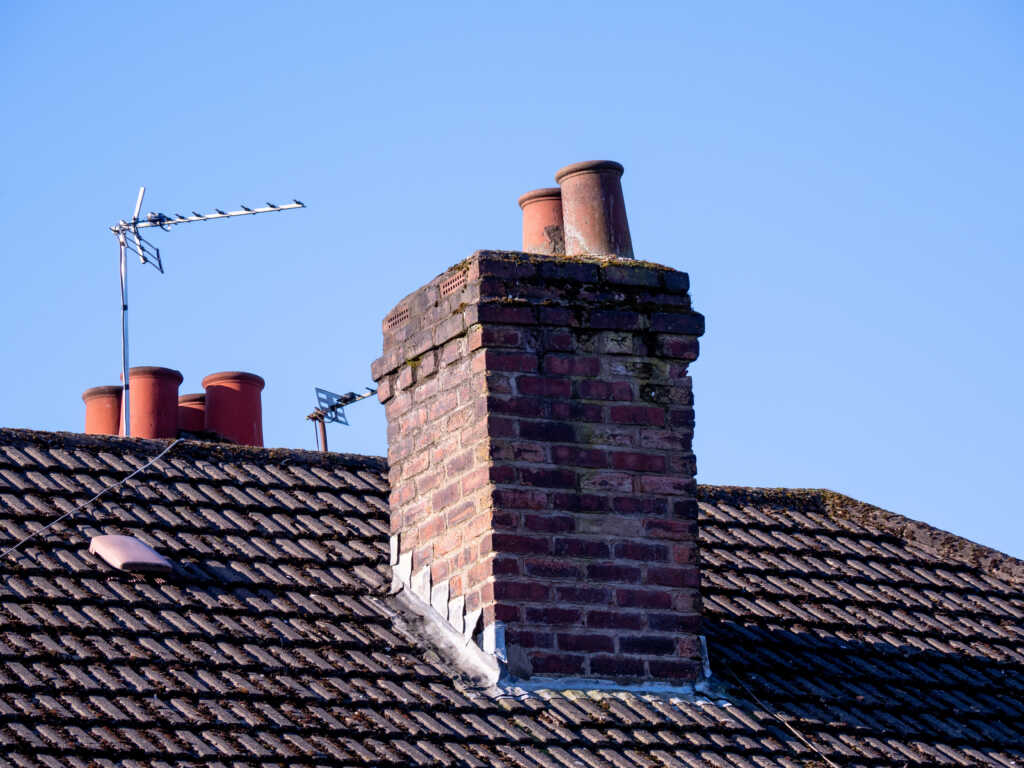
What’s the difference between chimney sweeps and roofers?
A chimney sweep will usually focus on the inside of a chimney. Chimney sweeps can be enlisted to clean flues, remove soot and debris. They can also inspect the chimney for blockages and advise on the condition of flue lining or ventilation.
A roofer can be enlisted to address any issues affecting the external structure of the chimney, and any issues with the weatherproofing above the property’s roofline.
A roofer can inspect and advise on repair work for:
- Chimney repointing
- Chimney stacks (including rebuilding any areas that have suffered damage)
- Lead flashing
- Chimney pot
- Chimney capping
- Flaunching
- Leaks
Generally speaking, if the issue with the chimney is affecting the bricks, mortar or flashing, or there is an issue with water ingress, you will need to speak to a professional roofer.
Signs your chimney may need professional roofing repair
There are a number of indicators that you can spot from the ground.
The most common signs that your chimney may need professional roofing repairs include:
- Crumbling or missing mortar – Weather exposure can lead to the mortar joints deteriorating over time. If this deterioration creates gaps in the mortar, then water can seep into the chimney stack, increasing the risk of further damage.
- Damaged or loose bricks – This issue is more common in older properties, due to prolonged weather exposure. If you can see cracked, loose or displaced bricks, then you’ll need to enlist a specialist to conduct a chimney stack repair.
- Lead flashing problems – Lead flashing is designed to create a watertight seal around the base of the chimney. So, if the flashing cracks or detaches, this can allow water to seep through to the roof structure. A roofing specialist will be able to repair or replace the lead flashing, stopping leaks before they spread.
- Damaged chimney pots or flaunching – Flaunching is a mortar bedding that holds chimney pots onto the roof. If this cracks, it also poses the risk of water leaks, and can also mean the chimney is unstable. A roofer will be able to fix this damage for you, and replace the pot if needed.
What is the risk of delaying chimney repairs?
Due to their complete exposure to the elements, if a chimney experiences damage, the situation can escalate rapidly.
For instance, small points of degradation or cracking can soon develop into:
- Water penetration
- Internal roof leaks or damp problems
- Damaged or rotting roof timbers
- Loose masonry
- Extensive structural repairs
- Extensive roof damage (in extreme cases, requiring partial rebuilding)
By addressing issues early on, you can ensure small areas of damage are fully resolved, before they are allowed to escalate into a more costly and complex issue.
Who should you call?
In most cases, particularly if the issue with your chimney affects any of the structure above the roofline, you should contact a professional roofing contractor.
Roofing contractors can conduct repair work safely and effectively, including everything from chimney repointing to chimney stack repairs, and lead flashing repairs to general chimney maintenance.
At B&S Roofing, our professional team of roofing repair specialists are on hand to help, and even offer free inspection services.
So, if you’ve spotted signs of deterioration, don’t hesitate to get in touch.