
What is the lifespan of a new roof?
A new roof represents a significant investment. Thankfully though, if your roof is good quality and installed by a trusted professional, it will last for many years to come. In most cases, a roof can last for 40-60 years – and in the right conditions, it may even exceed this estimate.
However, it’s important to note that a roof’s lifespan can be affected by a number of different factors. Some of these can be managed, but some are completely out of your control.
To help you understand what can impact the lifespan of a new roof – and minimise the risk of issues arising in your roof – B&S Roofing’s expert team have shared their guidance below.
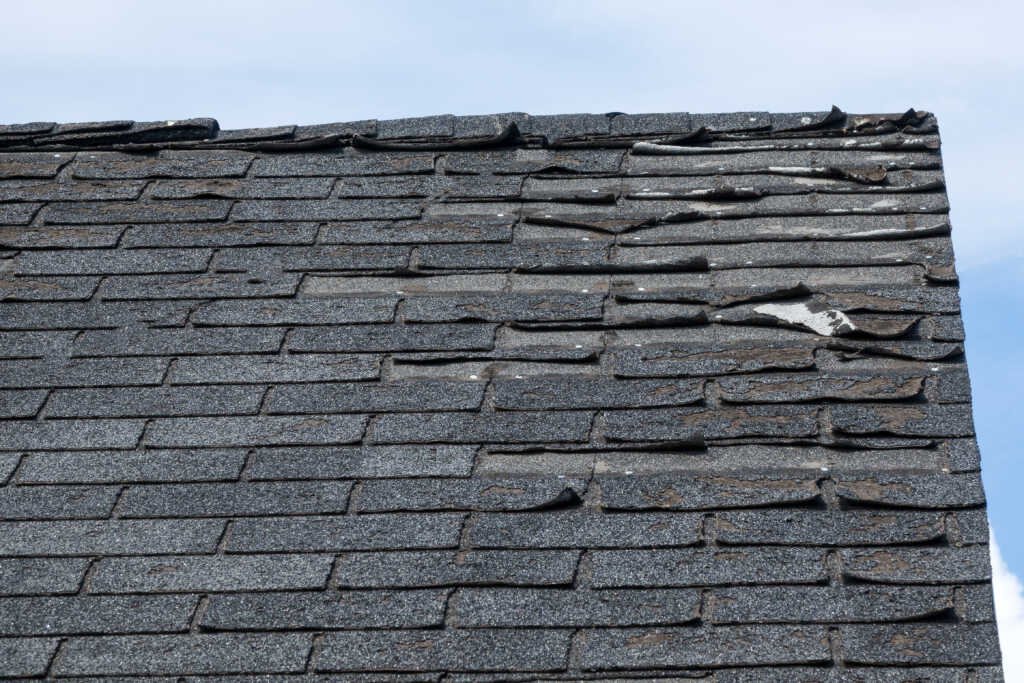
How UK weather affects a roof’s lifespan
Weather is one of the primary factors that influences a roof’s lifespan.
In the UK, the climate and fluctuating weather conditions play a vital role in the ageing of a roof (and its vulnerability to damage and deterioration).
Periods of frequent rainfall can result in moisture penetrating the roof. If unaddressed, this can lead to rot building up in timber structures, and the roofing materials deteriorating or weakening.
High winds and storms are another major factor, as this can damage the roof’s flashing, or cause tiles to loosen or dislodge.
Temperature fluctuations – and repeated cycles of freezing and thawing – can cause a roof’s materials to expand and contract. Over time, there is a risk that this can lead to cracks, splits and deterioration.
If the roof is located in a coastal area, the high salt concentration means there is a significantly higher risk of corrosion and surface erosion.
What factors determine a roof’s lifespan?
By understanding what impacts a roof’s lifespan and how to identify early signs of deterioration, you can help prevent problems from developing into more serious issues.
A roof’s predicted lifespan can be influenced by a number of variables. The main factors are:
- The roofing materials used – For example, while slate and clay tiles can last up to 100 years, asphalt shingles have a shorter lifespan (typically around 20-30 years).
- The type of roof chosen – Pitched roofs can drain water much more effectively than flat roofs (whereas flat roofs are prone to standing water). As a result, without regular maintenance, flat roofs usually have a shorter lifespan.
- The quality of installation – Roofs installed by a trusted, accredited and professional installer will have a much longer predicted lifespan.
- The frequency of maintenance – If you arrange a regular inspection and maintenance schedule for your roof (and ensure that minor issues are addressed promptly), you can maximise its lifespan.
- The level of weather exposure – For example, if your roof is located in an elevated or otherwise exposed area, or it’s by the coast, your roof will inevitably deteriorate at a faster pace than a roof in a more sheltered location.
Does your roof need to be repaired or replaced entirely?
It’s important to note that not all roofing issues require a full roof replacement.
In many cases, the issue can be resolved – and your roof’s predicted lifespan preserved – by arranging for a targeted repair.
A roof repair can usually resolve the issue if:
- A small number of tiles are cracked or missing (if it’s more than a few, however, speak to a roofing professional to discuss the best way to address the damage)
- There is damage to the flashing around the chimney or roof joints
- There is a minor leaks, which has been spotted early
- The roof is relatively new, and is in generally good condition
We’d recommend a replacement if:
- The roof is nearing (or has exceeded) its predicted lifespan
- There are numerous leaks
- The roof has recurring problems
- The tiles are extensively cracked or frequently slipping
- The roof structure is sagging or is starting to rot
- You can see daylight through the roof space
If the roof is experiencing ongoing or persistent issues, and repairs aren’t fixing the issues, then this is a clear sign that the roof system has reached the end of its lifespan.
Although no roof can last forever, by working with a professional roofing installer and maintenance specialist, you can maximise the return from your investment.
To enlist B&S Roofing’s expert installers and maintenance team for your property, don’t hesitate to get in touch.